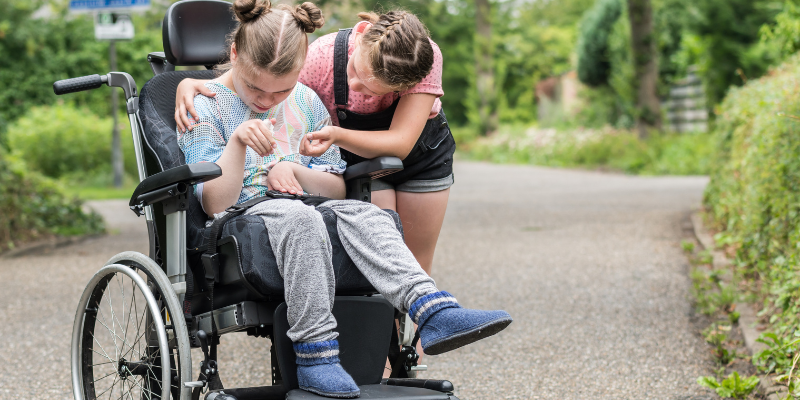
The Power of Awareness: Why This Month Matters
Disability Rights Awareness Month, observed in South Africa every year from 3 November to 3 December, is far more than a symbolic milestone. It is a reminder of our collective responsibility to create a society where all children—regardless of developmental, physical, or learning differences—have equal rights, equal access, and equal opportunities.
Too often, children with disabilities are overlooked, misunderstood, or excluded. And in many families, especially those without access to resources, caregivers feel overwhelmed, isolated, or unsure where to turn when they notice developmental delays, behavioural challenges, or learning difficulties.
This month is a chance to shift that story—from stigma to understanding, from exclusion to inclusion, from fear to empowerment.
Understanding Disability Through a Modern, Inclusive Lens
Disability is not simply a medical condition; it is a combination of an individual’s functional needs and the barriers they face in society. According to the UN Convention on the Rights of Persons with Disabilities (UNCRPD), disability arises when external barriers—physical, attitudinal, social, educational—limit participation.
In South Africa, millions of children live with disabilities ranging from:
- Autism spectrum conditions
- ADHD and learning disabilities
- Intellectual disabilities
- Hearing or speech impairments
- Physical disabilities
- Emotional and behavioural challenges
- Chronic illnesses that affect daily activities
Yet too often, disability is still misunderstood as a “problem” belonging to the child, instead of a responsibility shared by families, schools, health systems, and communities.
The Reality in South Africa: What the Numbers Tell Us
- According to Stats SA, approximately 7.5% of South Africans live with disabilities, including many children.
- Only 67% of children with disabilities attend school—compared to over 90% of children without disabilities.
- Learners with disabilities are more likely to experience bullying, exclusion, or mistreatment due to a lack of understanding.
- Many families report delays in accessing assessments, therapy, and educational support because of limited services or high costs.
- In underserved communities, developmental conditions are often undiagnosed or mistaken for behavioural issues.
These numbers reveal both urgency and opportunity—because where awareness grows, so does access.
The Journey of a Child With a Disability: What Families Often Face
1. Delayed Identification
A toddler not speaking like peers.
A school-age child unable to focus.
A teen overwhelmed by sensory overload.
Without proper assessment, families are left guessing.
2. Stigma and Social Judgement
Parents often endure whispers, unsolicited advice, or blame.
“Well, he’s just naughty.”
“She’ll grow out of it.”
“You must discipline him more.”
These misconceptions cause emotional wounds that last years.
3. School Barriers
Even well-meaning teachers may lack training in inclusive practices.
Some schools ask parents to “take the child somewhere else.”
Others don’t know how to integrate support strategies.
4. Emotional Toll on Caregivers
Parents may feel guilt, fear, frustration, or burnout.
Many juggle full-time work with full-time care responsibilities.
Some delay seeking help out of fear of being judged.
5. A Lack of Accessible Services
Social work, therapy, and psychosocial support services are often unavailable, unaffordable, or unknown to families who need them most.
This is where Disability Rights Awareness Month becomes more than advocacy—it becomes a lifeline.
Your Child’s Rights: What South African Law Says
South Africa has one of the world’s most progressive legal frameworks for disability rights.
The Children’s Act 38 of 2005
Every child has a right to:
- Protection from abuse, neglect, discrimination
- Access to care, development, and support
- Participation in decisions affecting their welfare
- Family and social support services
The Constitution of South Africa
Guarantees equality and prohibits discrimination based on disability.
The UNCRPD (adopted by SA)
Requires full inclusion of children with disabilities in schools, health systems, and communities.
White Paper 6: Inclusive Education
Calls for accessible schooling, individual support, and teacher training to ensure children with disabilities can learn in ordinary schools wherever possible.
School Responsibilities
Schools cannot lawfully exclude a child due to disability. They must:
- Provide reasonable accommodation
- Support learning needs
- Refer for professional assessments
- Work with social workers and caregivers
Parents are empowered—not powerless.
Recognising Early Signs: When to Seek Assessment
Early identification improves lifelong outcomes. Speak to a professional if you notice:
Developmental Concerns
- Delayed speech
- Slow cognitive milestones
- Difficulty expressing emotions
- Poor coordination or motor delays
Behavioural Signs
- Inattention, hyperactivity
- Aggression or meltdowns
- Difficulty following instructions
- Rigid or repetitive behaviour patterns
Learning Difficulties
- Struggling with reading or writing
- Difficulty with memory or concentration
- Anxiety before schoolwork
Social or Emotional Concerns
- Isolation
- Overwhelm in social settings
- Difficulty understanding social cues
- Intense anxiety or sadness
Many conditions—autism, ADHD, learning disabilities, anxiety disorders—are highly manageable with the right support.
How Families Can Support Children With Disabilities
- Embrace Early Intervention
The earlier support begins, the better the long-term outcomes. - Use Strength-Based Approaches
Focus on abilities, not limitations. - Create Predictable Routines
Structure helps children feel safe and regulated. - Celebrate Every Milestone
Even small progress deserves recognition. - Collaborate With Schools
Request meetings, share assessment results, ask about accommodations. - Take Care of Yourself
Caregiver burnout is real. Seek counselling or support groups. - Access Professional Services
Social workers, occupational therapists, psychologists, speech therapists—each plays a role.
The Role Schools Should Play During Disability Rights Awareness Month
- Promote inclusive learning in assemblies and classrooms
- Provide workshops for teachers on identifying and supporting disabilities
- Establish anti-bullying policies specific to disability-related bullying
- Create sensory-friendly classrooms or safe spaces
- Invite social workers for parent information sessions
- Ensure Individual Support Plans (ISPs) are used consistently
- Celebrate neurodiversity in lessons and events
These small shifts can transform a school into a supportive environment for every child.
How Charné Bennett Social Work Services Supports Children With Disabilities
At Charné Bennett Social Work Services, inclusion and support are at the heart of what we do. We walk alongside families navigating disability with compassion, expertise, and commitment.
Our services include:
✅ Psycho-social assessments for children showing developmental, behavioural, or emotional challenges
✅ Family counselling to support adjustment, resilience, and coping
✅ Behavioural and emotional support plans tailored to your child
✅ School collaboration: teacher guidance, ISP development, classroom adaptations
✅ Support for children with learning difficulties, anxiety, autism traits, ADHD, and emotional dysregulation
✅ Advocacy for children’s rights within educational and social systems
✅ Parent guidance sessions
✅ Support in accessing allied health services when needed
We operate from:
📍 Careline Clinic (R31), Kimberley
📍 28 Rae Frankel Street, Alberton
Wherever your family is in the journey—early concerns, school challenges, emotional struggles—our doors are open.
A Story of Hope: The Transformation of Litha (Fictional but Realistic)
Litha, age 6, struggled to speak, follow routines, and play with others. Her parents feared something was “wrong” with him. They felt judged in public and dismissed by teachers.
After an assessment with a social worker, Litha was referred for a multidisciplinary support plan. Over the next year:
- He received emotional regulation support
- His school implemented accommodations
- His parents learned new strategies
- He joined a small-group social skills programme
Litha is now thriving—smiling, learning, forming friendships.
The difference? Awareness, acceptance, and support.
Disability Rights Awareness Month: Your Call to Action
This month, choose to:
✅ Educate yourself about disabilities and neurodiversity
✅ Challenge stereotypes and outdated beliefs
✅ Speak up for inclusion when you witness exclusion
✅ Seek assessment early if your child is struggling
✅ Partner with schools and professionals
✅ Reach out for help—before crisis sets in
Every child deserves dignity. Every child deserves patience.
And every family deserves access to support that strengthens—not shames.
Final Thoughts
Disability is not a tragedy. A lack of support is.
When we understand, include, and uplift children with disabilities, we unlock their potential—and build a South Africa where difference is celebrated, not hidden.
Disability Rights Awareness Month challenges us not just to be aware, but to act. To advocate. To include. To stand with families who need guidance and care.
And no family should walk this journey alone.
At Charné Bennett Social Work Services, we are here—to guide, to empower, and to ensure every child belongs.