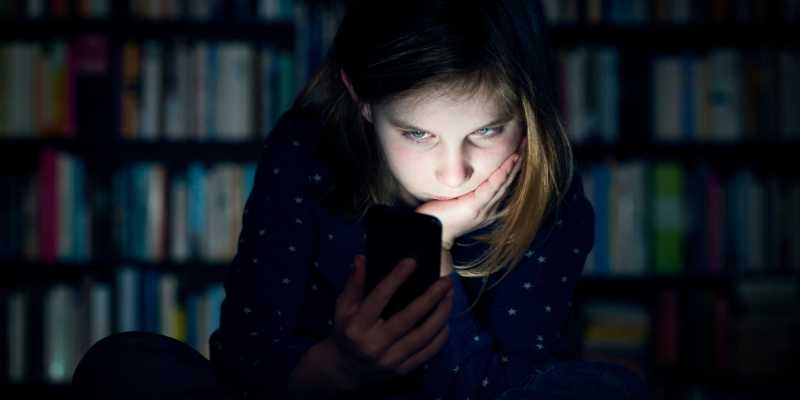
Social media can have a significant impact on children’s mental health. Here are some ways social media can affect children’s mental health:
- Cyberbullying: Social media can be a breeding ground for bullying, which can lead to anxiety, depression, and other mental health issues.
- Unrealistic expectations: Social media can create unrealistic expectations and promote consumerism, which can lead to feelings of inadequacy and low self-esteem.
- Sleep deprivation: Exposure to screens and the constant notifications from social media can interfere with sleep patterns, leading to sleep deprivation and related mental health issues.
- Social comparison: Social media can foster social comparison, which can lead to feelings of inadequacy and low self-esteem.
How to Protect Your Child from the Negative Effects of Social Media
Here are some tips for protecting your child from the negative effects of social media:
- Set boundaries: Establish rules and guidelines for social media use, such as limiting screen time and monitoring online activity.
- Monitor online activity: Keep an eye on your child’s online activity, including their social media accounts and online interactions.
- Encourage offline activities: Encourage your child to engage in offline activities, such as sports, hobbies, and spending time with friends and family.
- Talk to your child: Have open and honest conversations with your child about the potential risks and benefits of social media.
Conclusion
Recognising warning signs in your child’s behaviour is essential for providing the necessary support and ensuring their mental health and wellbeing. By understanding the common warning signs, recognising the different types of warning signs, and communicating effectively with your child, you can take proactive steps to support their mental health.ith a Health Psychology Department in your own country and to see whether they can help. Could be anything from answering a quick question to collaboration in for example a health promotion project.