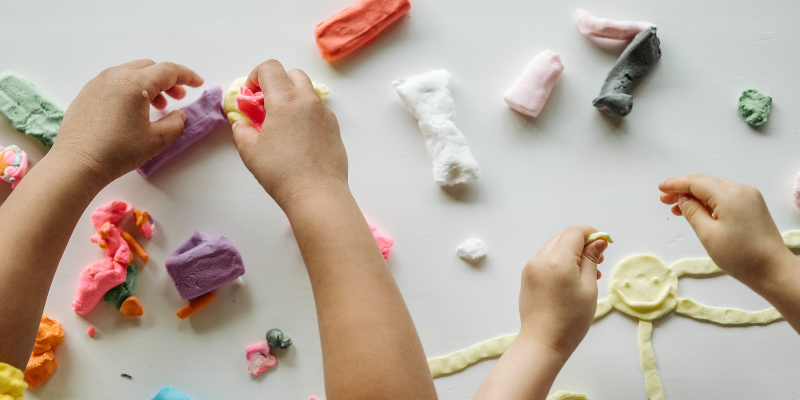
Play therapy is a type of therapy that uses play as a way to help children communicate and process their emotions. It is based on the idea that children use play as a way to express themselves and work through difficult experiences. As the play therapist, Virginia Axline, notes, “play is the child’s language, and toys are their words.” (1)
The Benefits of Play Therapy
Play therapy has been shown to be an effective way to help children overcome a range of challenges, including:
- Anxiety and depression
- Trauma and abuse
- ADHD and other behavioral issues
- Social skills and relationships
- Emotional regulation and self-esteem
As the play therapist, Garry Landreth, notes, “play therapy is a way to help children develop the skills they need to succeed in life, including self-awareness, self-regulation, and self-motivation.” (2)
How Play Therapy Works
Play therapy typically involves a trained therapist working with a child in a playroom filled with toys and materials. The therapist uses a variety of techniques, including:
- Active listening and reflection
- Empathy and validation
- Non-directive play
- Directive play
- Art and creative expression
The goal of play therapy is to create a safe and supportive environment where children can express themselves freely and work through difficult emotions and experiences.
The Role of the Therapist
The therapist plays a crucial role in play therapy, serving as a facilitator and guide for the child. The therapist’s goal is to create a safe and supportive environment where the child can feel comfortable and express themselves freely.
As the play therapist, Sue Bratton, notes, “the therapist’s role is to provide a safe and non-judgmental space for the child to explore and express their feelings, and to help the child develop the skills they need to succeed in life.” (3)
The Importance of Parental Involvement
Parental involvement is an important part of play therapy, as it helps to ensure that the child’s progress is supported and reinforced outside of the therapy room. Parents can play a role in play therapy by:
- Attending sessions with their child
- Providing feedback and support to the therapist
- Practicing play therapy techniques at home
- Encouraging their child to express themselves freely
As the play therapist, Eliana Gil, notes, “parental involvement is essential to the success of play therapy, as it helps to create a sense of continuity and support for the child.” (4)
The Benefits of Play Therapy for Parents
Play therapy can also be beneficial for parents, as it provides them with a unique opportunity to connect with their child and understand their needs and feelings. As the play therapist, Terry Kottman, notes, “play therapy can help parents develop a deeper understanding of their child’s emotional and psychological needs, and provide them with the tools they need to support their child’s growth and development.” (5)
Conclusion
Play therapy is a powerful tool for helping children process and overcome difficult emotions and experiences. By using play as a form of communication, children can express themselves in a way that feels safe and natural. As the play therapist, Garry Landreth, notes, “play therapy is a way to help children develop the skills they need to succeed in life, including self-awareness, self-regulation, and self-motivation.” (6)
References:
(1) Axline, V. (1947). Play Therapy.
(2) Landreth, G. (2012). Play Therapy: The Art of the Relationship.
(3) Bratton, S. (2015). The Effects of Play Therapy on Children’s Emotional and Behavioral Functioning.
(4) Gil, E. (2017). Play Therapy with Traumatized Children.
(5) Kottman, T. (2018). Play Therapy: A Guide for Parents and Caregivers.
(6) Landreth, G. (2012). Play Therapy: The Art of the Relationship.