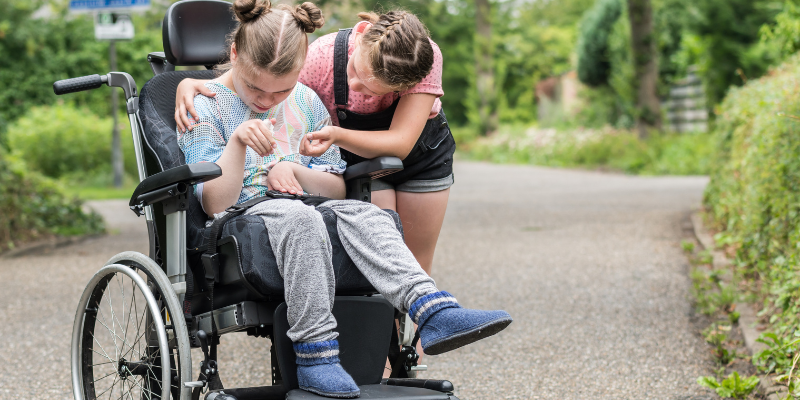
When Zanele, 15, described school as “a battlefield,” her mother nodded—but also dismissed it as teenage drama. Yet the weight she carried was real: anxiety about grades, social media humiliation, family tensions, and the constant fear of falling behind. She stopped eating, stayed in her room, and refused to talk—until one day she broke down.
Her story echoes what many parents and educators witness but struggle to name: teen mental health is in crisis. And it’s not just about depression or anxiety—it’s about resilience, connection, and building strength when stress mounts.
This post cuts through clichés and gives you concrete, research-backed tools to support teens during turbulent years. You’ll find:
- The scope of the problem in South Africa
- Hidden stressors faced by modern adolescents
- Signs your teen might be struggling
- Growth-oriented resilience strategies
- What to do when crisis looms
- How Charné Bennett Social Work Services walks alongside families
Let’s change the narrative from overwhelm to empowerment.
The State of Teen Mental Health in South Africa: What the Numbers Say
- A 2021 SADAG survey showed that 1 in 4 South African teens report symptoms of depression severe enough to warrant professional help.
- In 2023, calls to SADAG’s teen mental health helpline soared by 30% during school exam periods.
- A national study found that 52% of learners felt “constantly stressed” about school pressures.
- Suicide is now among the top causes of death for adolescents in South Africa, accounting for approximately 9% of teen mortalities.
- Data from several provinces indicates rising rates of self-harm presentations among youth in emergency departments—especially in urban centres.
These numbers reflect not just individual vulnerability—but systemic stress: overcrowded classrooms, under-resourced mental health services, inequality, digital media pressures, and COVID-19 fallout.
The Modern Stressors Teens Face (Often Invisibly)
Understanding what teens cope with helps us respond more wisely. Some of the most intense pressures include:
1. Digital & Social Media Pressure
- Curated lives create comparison, exclusion, FOMO (fear of missing out)
- Cyberbullying, rejection messages, social validation loops
- Sleep disruption due to late-night screen time
2. Academic Overload & High-Stakes Exams
- Paradigm of “success at any cost”
- Overemphasis on test scores and rankings rather than growth
- Learning loss from pandemic disruptions and inconsistent schooling
3. Identity, Belonging & Social Change
- Navigating gender, sexual orientation, cultural pressures, community expectations
- Exposure to social injustice, violence, trauma in communities
- Pressure to “perform strength” even when hurting
4. Family & Economic Stress
- Unstable home environments, financial insecurity, loss of caregivers
- Parental mental health, conflict, and neglect
- Responsibility burdens (caring for siblings, chores, jobs)
Recognising When Your Teen Is Struggling
Just as earlier we explored warning signs for suicidality, here are broader indicators of mental health strain:
- Persistent low mood, irritability, or bitterness
- Loss of interest in previously enjoyed activities
- Social withdrawal and isolation
- Trouble concentrating, drop in grades
- Fatigue, sleep disturbances or oversleeping
- Physical complaints (headaches, stomach pain)
- Heightened sensitivity, emotional reactivity
- Self-harm behaviors, substance use, recklessness
- Expressing feelings of worthlessness, guilt, or emptiness
If multiple signs persist beyond a few weeks—not just a “phase”—it is time to respond.
Building Teen Resilience: What Actually Helps
Resilience isn’t just “bouncing back,” but learning to adapt, grow, and sometimes transform in adversity. Here are evidence-based strategies that make a difference—and that families and schools can implement.
1. Emotional Literacy & Expression
Teach teens to identify, name, and express feelings safely. Use tools like mood journals, emotion wheels, art, or conversation prompts (“What felt hardest today?”).
Knowing feelings doesn’t mean you have to act impulsively on them—it builds awareness.
2. Anchor Routines & Structure
Predictability in daily life reduces baseline stress:
- Regular sleep and wake times
- Balanced meals
- Scheduled study, break, social, rest times
- Unplugged evening zones
Even small routines matter: a 5-minute walk, gratitude pause, or short meditation.
3. Social Connections & Safe Spaces
- Encourage trusted friendships, clubs, groups
- Create safe family dialogue spaces (nonjudgmental check-ins)
- Peer support groups or mentorship programs
Feeling seen, accepted, and understood reduces emotional burden significantly.
4. Cognitive Tools & Perspective Shifts
- Dubunk catastrophic thinking: “What’s the worst, and how would you cope?”
- Promote realistic self-talk: “I’m allowed to struggle, but this will not always hurt this badly.”
- Encourage problem-solving steps: list options, evaluate, choose, test
CBT-based tools are proven helpful in adolescent depression and anxiety.
5. Movement, Nature & Physical Outlet
- Exercise (even walking, dance, sport) aids mood regulation via endorphins
- Time outdoors, nature exposure, green spaces are calming
- Tactile hobbies (gardening, art, building) help “ground” stress
6. Mindfulness, Breathing & Grounding
Short daily practices—box breathing, grounding senses, 5-4-3-2-1 senses check—train your nervous system to downshift from fight/flight.
7. Healthy Digital Boundaries
- Designate “no phone” times (e.g., one hour before bed)
- Use apps that limit social media or block distracting notifications
- Model balanced tech use yourself
Teens benefit when adults show they can regulate tech use too.
8. Early Support, Not Just Crisis Response
- Periodic check-ins or counselling before things spiral
- Psychoeducation: normalize stress and emotional struggle
- Build a “mental health toolkit”: list of coping strategies they can turn to
Prevention is easier and kinder than repair.
What to Do if Mood Dips to Crisis Levels
When stress becomes crisis—and that line can feel blurry—take these steps:
- Ask directly: “Have you thought about harming yourself or ending your life?”
- Stay calm, serious, non-blaming. Let them know they’re not alone.
- Ensure safety: stay with them or arrange supervision, remove access to means.
- Engage help immediately: mental health professionals, emergency services, social workers.
- Activate supports: family, trusted adults, school counsellors.
- Document and monitor: keep notes on risk signs, behavioural changes, escalation.
- Follow-up support: don’t assume crisis ends in one session. Recovery is ongoing.
Case Story: From Overwhelm to Empowered (Fictional but Realistic)
“Jabari,” age 17
Jabari began withdrawing in Grade 10. He felt shame about low marks, scrolled obsessively on social media, and believed no one understood him. His parents chalked it up to teenage moodiness. One day, his teacher intervened and referred him to counselling. Over months:
- He started expressing his disappointment and fear
- Received cognitive-behavioral therapy and family sessions
- Adopted small daily routines (walk, device-free evenings, journaling)
- Reconnected with a supportive friend group
- Built a safety plan and was empowered to ask for help
Today, Jabari is back in school leadership, mentoring younger students and openly talking about mental health in his community.
His turning point? Someone paid attention—and helped him believe he wasn’t alone.
How Schools and Communities Can Support Teen Mental Health
- Mental health literacy in curriculum: teaching emotional regulation, stress coping, self-awareness
- Counselling services and referral pathways in schools
- Safe spaces and peer support clubs
- Teacher training to spot distress and respond sensitively
- Partnerships with NGOs, social workers, mobile mental health clinics
- Programs for youth outreach, mentorship, resilience-building workshops
When a school culture openly values emotional well-being—students feel safer speaking out.
Why Charné Bennett Social Work Services Is Here for You
Mental health journeys feel lonely—but they don’t have to be. At Charné Bennett Social Work Services:
- We specialise in adolescent mental health, self-harm prevention, and resilience coaching
- Our approach is compassionate, evidence-informed, confidential, trauma-aware
- We work inclusively with families, teachers, and teens to build sustainable support
- Locations: Careline Clinic, R31, Kimberley & 28 Rae Frankel Street, Alberton
- You don’t have to wait until you’re in crisis—reach out to build stronger foundations
👉 Book an assessment or consultation now via www.cbsws.co.za
Because when a teenager’s mental health is supported early, they don’t just survive—they thrive.
Final Thoughts
Teen years are inherently messy—and mental health doesn’t follow a linear path. Resilience isn’t “never breaking.” It’s learning to bend without collapsing, to ask for help without shame, and to build connection when isolation feels seductive.
You as a parent, teacher, or caregiver can make space for that resilience. You can notice the subtle signs, speak the difficult words, and walk alongside without rushing.
If your teen is struggling, don’t wait. Reach out. Connect. Seek support. Because sometimes the difference between darkness and hope is simply someone caring enough to listen—before it’s too late.